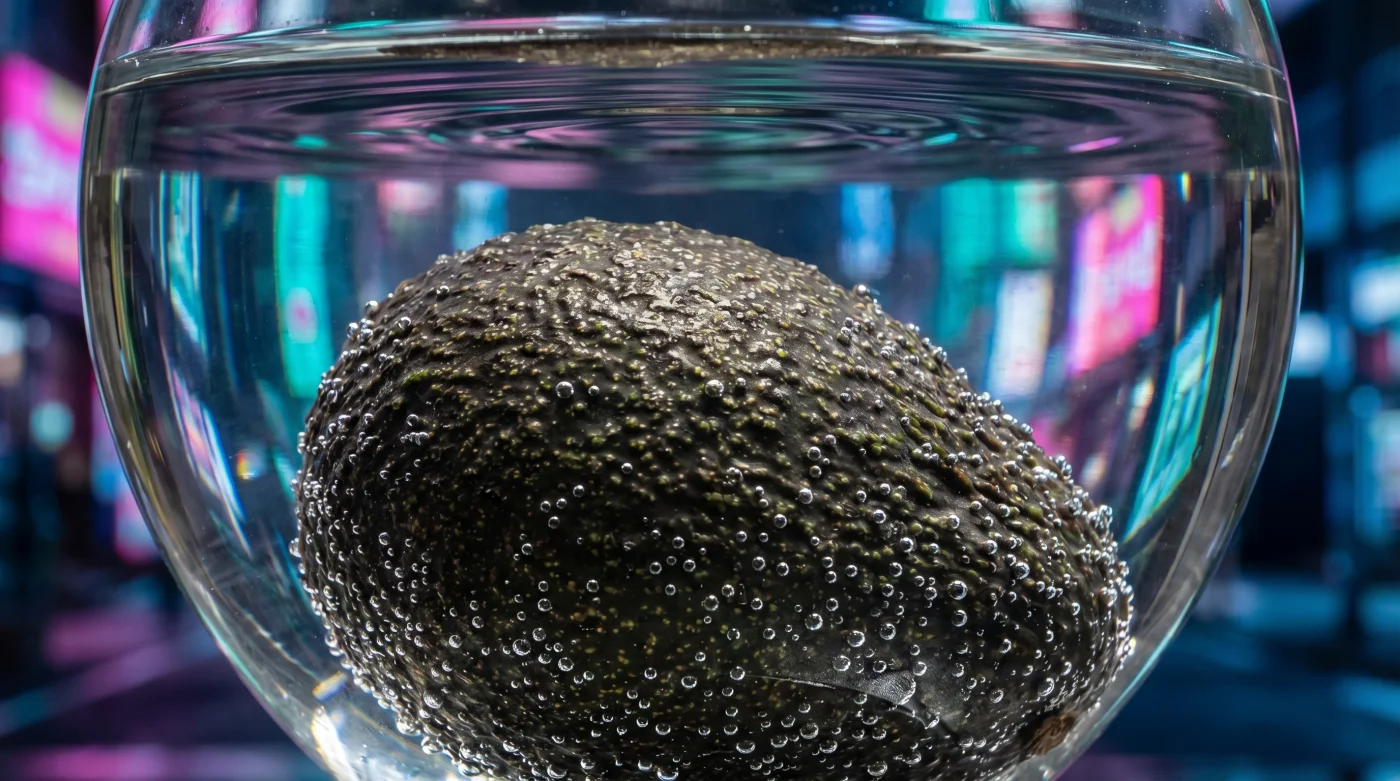
The rough, pebbled skin rests in your palm, holding the quiet promise of tomorrow morning’s breakfast. You give it a gentle squeeze at the grocery store, searching for that elusive, slight give—a texture that mirrors breathing through a pillow. You buy four, trusting the natural rhythm of the week to align perfectly with the biological clock ticking away inside the dark rind.
But the kitchen counter plays by its own unforgiving rules. By Wednesday afternoon, they are flawless. By Thursday morning, they suddenly yield like bruised peaches, collapsing under the absolute slightest pressure from your thumb. You slice one open, only to find the vibrant, buttery green replaced by a dull, fibrous brown. Another dollar tossed into the compost bin, another meal plan silently defeated.
The truth about this countertop heartbreak is that it is entirely manufactured by how we have been taught to store groceries. Supermarkets understand the precise biology of the Haas avocado, keeping them in strict holding patterns behind closed doors in climate-controlled backrooms, while we mistakenly treat them like apples resting casually in a fruit bowl.
The actual secret to pausing time requires no expensive vacuum sealers or fancy preservation gadgets. It relies on a basic principle of thermal suspension, a grocery industry method that halts the ripening cascade entirely using nothing more than a jar, a tight lid, and cold water.
The Myth of the Brown Ruin
We tend to view a softening avocado as a lost cause, a ticking organic bomb that eventually explodes into an inedible mush. When you see that first shadow of dark brown creeping near the stem, a subtle panic sets in. You rush to mash it, salt it, or frantically throw it away, completely convinced the fruit has expired and your money is gone.
But a darkening avocado is not dead; it is simply running an aggressive biological script that you can control. When you introduce the intact fruit to a cold water bath, you effectively pull the biological clock battery out of the equation. The water acts as an impenetrable oxygen barrier, while the chill of the refrigerator slows the ethylene gas production down to a near standstill.
Instead of running a frantic race against the weekend, your provisioning becomes highly strategic. You dictate exactly when the ripening process finishes, transforming a notoriously perishable luxury into a reliable staple that waits patiently in your fridge for weeks without losing a fraction of its texture.
Elena Reyes, a 42-year-old zero-waste chef running a high-volume brunch kitchen in Portland, built her entire weekend menu around this exact trick. Tired of losing margins to the trash bin, she realized this water bath method completely bypasses the danger zone of unpredictable ripening. She started submerging her perfectly ripe, unblemished avocados in large tubs of ice-cold water before sealing them tightly in the walk-in cooler. ‘It is like putting them into a deep sleep,’ she says. ‘They emerge two full weeks later, skin tight, flesh aggressively green, and ready to slice for service.’
Adapting the Suspension Method
Not every household runs like a high-speed commercial kitchen, and your personal grocery habits dictate exactly how you should apply this water bath technique. Understanding your own weekly flow ensures you never waste a single slice of produce again.
- A 30-second trick stops eggs from sticking to any Stainless Steel Pan
- The pantry storage mistake ruining your Apple Cider Vinegar
- Chefs never grill a Ribeye Steak without this 2-ingredient crust
- Major fast-food chains are secretly changing how they fry French Fries
- A massive Mediterranean drought just triggered an Olive Oil shortage in PA stores
- The 5-minute Dutch Oven bread secret sweeping Pennsylvania kitchens
- The cheap Balsamic Glaze trick that makes weeknight chicken look expensive
- Your French Press makes bitter coffee because of this morning error
- The missing ingredient that forces any Sourdough Starter to double overnight
For the warehouse club shopper: If you grab the six-count mesh bags, leave them out on the counter until they reach that perfect, firm-but-yielding stage. Because standing water can be a breeding ground, this step requires strict surface bacteria removal with a mild soap. Wash the thick skins thoroughly, then submerge the whole, uncut fruit in a large glass jar filled with filtered water. Seal the lid and place it in the cold back corner of the fridge.
For the weekend planner: If you only buy two avocados for Sunday brunch but do your primary shopping on Tuesday, keep them resting at room temperature until Friday morning. Once they hit that exact sweet spot of softness, give them the water treatment. They will hold their exact texture for your Sunday morning toast, immune to the fluctuating temperatures of your kitchen.
For the solo cook: When you know a whole avocado is entirely too much for one single sitting, this method still works wonders for your pantry management. You can bulk-prep your groceries, confident that the second or third avocado in the rotation will stay pristine. It effectively protects the unopened future meals before you even finish eating the first one.
The Countertop to Chill Pipeline
Implementing this zero-waste protocol requires a slight shift in how you handle produce right after walking through the front door. It is a highly mindful process of observation, touch, and precise timing rather than just tossing bags into the crisper drawer.
Wait for the exact moment of perfect, ready-to-eat ripeness. If you submerge them while they are still rock hard, they will never soften properly, remaining forever stubborn and unpleasantly dense. Let them breathe naturally on the counter first, then follow these distinct, deliberate steps:
- Wash the exterior of the uncut avocado vigorously with a vegetable brush and clean water to clear away any field dust or lingering agricultural bacteria.
- Find a large, clean glass container with a tight-fitting lid—heavy mason jars or snap-top glass meal prep containers work beautifully.
- Place the whole, washed avocados gently into the glass jar.
- Fill the jar to the absolute brim with cold, filtered water, ensuring the fruit is entirely submerged without bobbing above the surface.
- Seal the lid tightly and place the jar in the coldest part of your refrigerator, usually the bottom back shelf away from the door.
The Tactical Toolkit:
- Ideal counter temperature for initial ripening: 68 to 72 Degrees Fahrenheit.
- Fridge storage temperature for the water bath: 36 to 40 Degrees Fahrenheit.
- Maximum recommended suspension time: 14 to 21 days.
Reclaiming Your Kitchen Economics
Mastering this single, mundane detail fundamentally shifts your entire relationship with grocery shopping. You no longer wander the produce aisle mentally calculating the exact day you might crave guacamole, feeling entirely bound by an imaginary schedule dictated by a piece of fruit.
You buy what you need, exactly at the price you want, fully knowing you hold the power to pause its biological progression. It brings a profound sense of quiet peace to meal planning, stripping away the heavy guilt of finding spoiled, blackened food hidden deep inside the dark corners of the crisper drawer.
Food preservation is not just about surviving hard times or cutting extreme corners; it is a quiet, daily act of respect for the ingredients we choose to bring into our homes. By simply utilizing cold water and household glass, you effortlessly transform waste into lasting value, turning a fragile, frustrating fruit into an enduring, reliable pantry pillar.
Preservation is simply the art of convincing a beautiful ingredient to wait patiently for you.
| Storage Method | The Physical Detail | Added Value for the Reader |
|---|---|---|
| Countertop Only | Exposed to ambient air and fluctuating heat. | Unpredictable 2-3 day ripening window. High risk of immediate waste. |
| Dry Fridge Storage | Chilled but exposed to circulating dry air. | Slows ripening slightly, but the skin shrivels and the flesh turns unpleasantly rubbery. |
| Submerged Water Bath | Sealed tightly in cold water, blocking oxygen completely. | Locks in perfect, buttery ripeness for up to 3 weeks. Zero guesswork, zero waste. |
The Zero-Waste Avocado FAQ
Is it safe to store avocados in water?
Yes, provided you wash the uncut skin thoroughly with a vegetable brush and clean water before submerging them. This critical step removes surface bacteria that could otherwise multiply in a stagnant water bath.Can I do this with an avocado I have already cut in half?
No. This specific technique relies entirely on the intact, natural armor of the avocado skin. Submerging exposed flesh will simply turn it into a waterlogged, unappetizing mess.Will the skin change color in the water?
The dark, pebbled skin will remain its dark, ripe shade, but the flesh inside stays vibrantly green and firm. The water acts as a protective, airtight forcefield against rapid oxidation.Do I need to change the water during the two weeks?
If your jar is completely sealed and the fridge is consistently cold, changing the water is not strictly necessary. However, swapping it out once a week ensures maximum freshness and prevents any cloudiness.What happens exactly when I take it out of the water?
Simply dry the exterior with a clean kitchen towel, slice it open, and serve immediately. It will feel, slice, and taste exactly as it did the very moment you submerged it days or weeks prior.