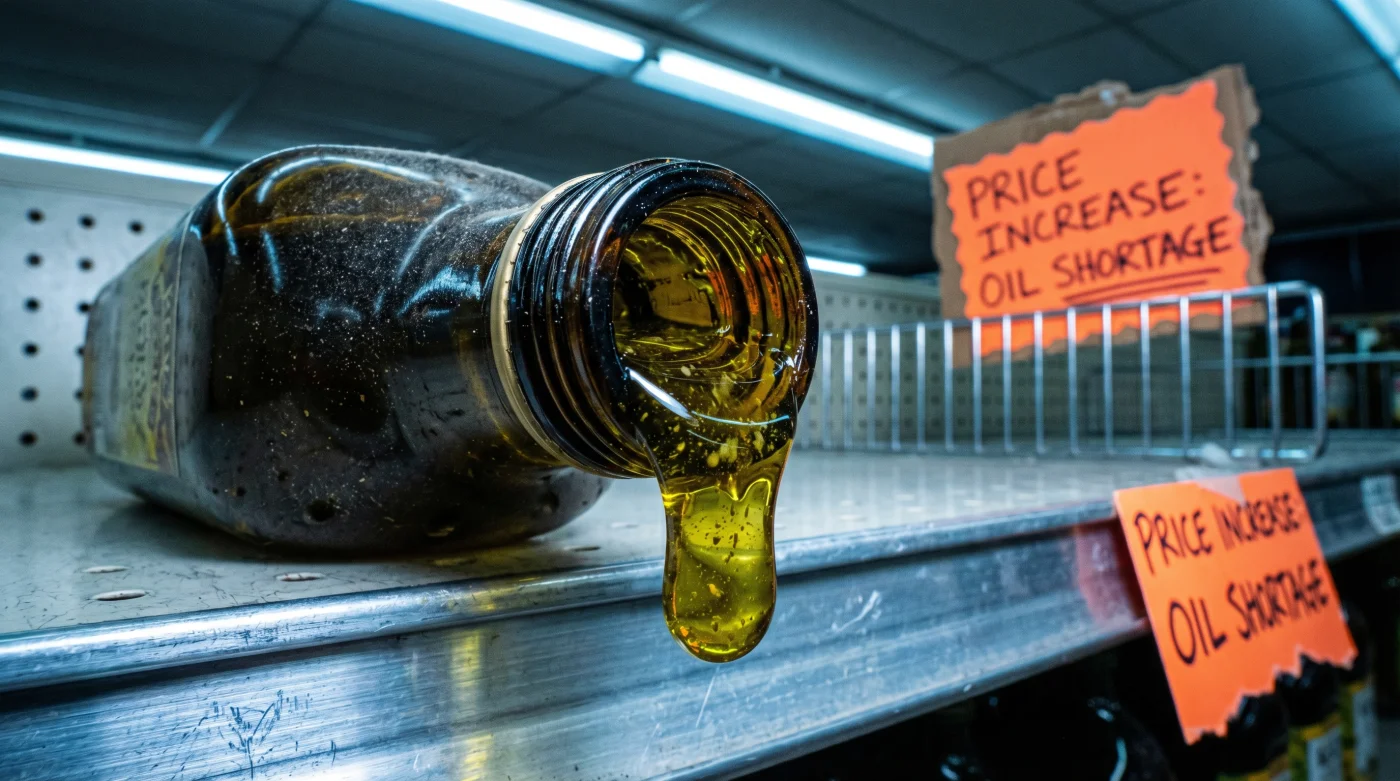
You stand under the humming fluorescent lights of a local Pennsylvania supermarket, hand reaching for that familiar dark green bottle. The glass is cool against your fingers, but your stomach drops when your eyes catch the small paper price tag. That everyday cooking staple you casually buy once a month isn’t fourteen dollars anymore. It is twenty-nine dollars. Or worse, the shelf is completely bare, leaving only a scattered row of dust rings where the large tin cans and imported bottles used to sit.
You blink, assuming someone misplaced the labels. But this isn’t a retail error. This is a global shockwave. The quiet liquid you casually pour into a hot skillet is suddenly acting like a volatile stock market commodity.
For decades, we have treated this fat like a basic household utility. You turn the faucet, water flows. You tilt the bottle, green gold spills over your roasting vegetables. We completely divorced the product from the soil, forgetting that behind every label is a fragile, breathing ecosystem.
Right now, the Mediterranean is bone dry. Prolonged, punishing seasonal droughts have scorched the ancient groves of Spain, Italy, and Greece, dropping crop yields by a terrifying margin. The ripple effect took months to slowly cross the Atlantic Ocean, but the mathematical impact is violently striking your grocery bill this week.
The Illusion of Infinite Pantries
We tend to view American grocery stores as magical replenishment zones, completely immune to the passing seasons. When you run out of salt, you buy more. When the white flour tin is empty, you just grab another bag. We stubbornly lumped olive oil into this category of eternal stability. But here is the shift you need to make right now: olive oil is not a manufactured, shelf-stable chemical. It is fresh fruit juice.
When you actively reframe that bottle as the crushed, perishable liquid of a fragile stone fruit, the current crisis makes immediate sense. A tree simply cannot bleed when it has absolutely no water to drink. The realization that this ingredient is vulnerable entirely transforms how you will pour it tomorrow. You aren’t just squirting a generic cooking grease into a pan; you are carefully rationing a scarce agricultural snapshot of a specific, struggling harvest season.
Take a conversation I had recently with Matteo Rossi, a forty-four-year-old importer operating out of a small, drafty warehouse in Philadelphia. Last April, Matteo watched his laptop screen in horror as temperatures in Andalusia spiked to 104 Fahrenheit right when the trees were blossoming. The delicate white flowers literally burned off the branches before they could form fruit. ‘It felt like watching a slow-motion fire,’ Matteo told me, running his hand over a pallet of delayed, incredibly expensive shipments. ‘I knew right then, the Pennsylvania home cook was going to pay double by Thanksgiving, and there was absolutely nothing anyone could do to stop the math.’
Adapting Your Kitchen Ecosystem
The harsh reality of a thirty-dollar bottle requires an immediate pivot in how you maneuver through your kitchen. You can no longer afford to use premium extra virgin varieties as a careless lubricant for your daily frying pan. It is time to divide and conquer your fat sources.
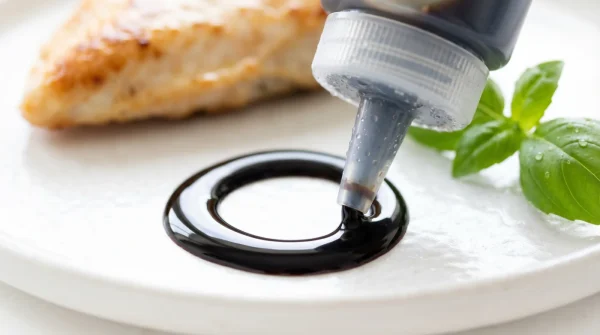
- The cheap Balsamic Glaze trick that makes weeknight chicken look expensive
- The 5-minute Dutch Oven bread secret sweeping Pennsylvania kitchens
- Your French Press makes bitter coffee because of this morning error
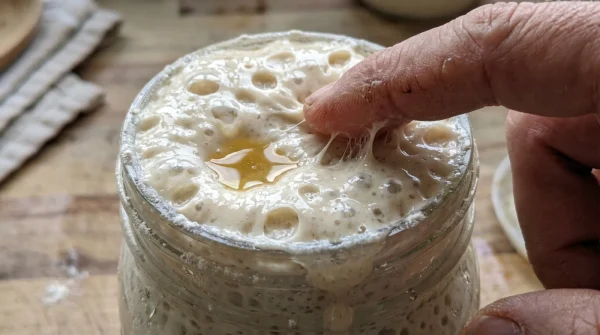
- The missing ingredient that forces any Sourdough Starter to double overnight
- Supermarkets hide this zero-waste storage secret for Avocados
- A 30-second trick stops eggs from sticking to any Stainless Steel Pan
- The pantry storage mistake ruining your Apple Cider Vinegar
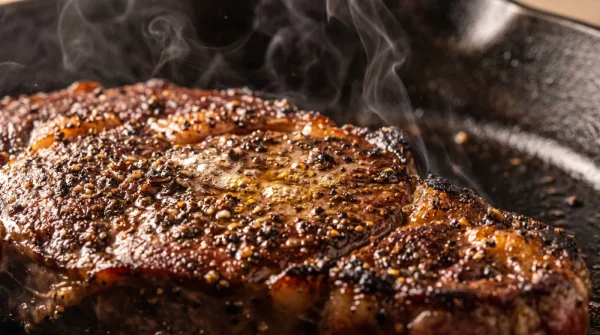
- Chefs never grill a Ribeye Steak without this 2-ingredient crust
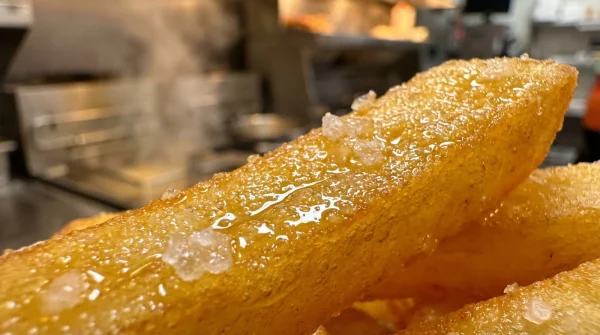
- Major fast-food chains are secretly changing how they fry French Fries
For the Purist
If you live for a heavily salted summer tomato salad or a warm crust of sourdough dragged through a green puddle, you still need the good stuff. But you must radically change your pouring mechanics. Buy a smaller bottle of the premium import. Keep it away from the stove. Treat it like expensive perfume, applying it drop by drop over your finished meals rather than mindlessly drowning your salad greens in it.
For the Pragmatist
You need to stop frying morning eggs in extra virgin olive oil immediately. It is financial sabotage. Shift your baseline cooking fats to high-quality, domestic alternatives that haven’t been crushed by the European weather crisis. Avocado oil, pure unrefined coconut oil, or even locally rendered animal fats can take the intense heat of a 400-degree skillet without burning through your weekly grocery budget.
For the Innovator
If you frequently bake tender olive oil cakes or whisk up weekly vinaigrettes, the shortage forces a highly creative blend. You can cut your expensive extra virgin oil with a neutral, American-grown sunflower or grapeseed oil. You maintain the sharp, peppery flavor profile of the olive, but successfully stretch the volume by fifty percent, making your premium bottle last twice as long.
The Tactical Kitchen Pivot
Surviving this price surge without sacrificing your food quality comes down to a few deliberate, mindful actions. You must intentionally optimize exactly how you store, pour, and substitute.
When a commodity doubles in price, careless waste becomes a literal sin. You must seal the bottle perfectly tight after every single use. Oxygen and heat are the quiet enemies of this fresh juice, turning your expensive investment rancid before you even reach the bottom half.
Here is your tactical toolkit for navigating the current market:
- The Temperature Rule: Never store your premium oil next to the stove or on a sunny windowsill. Keep it safely tucked in a dark cabinet sitting safely between 55 and 60 degrees Fahrenheit.
- The Pouring Restrictor: Remove the wide-mouth cap and insert a metal bar-style speed pourer. This physically slows down your usage, forcing you to be highly intentional rather than heavy-handed.
- The Blend Strategy: Create a custom house blend in a separate plastic squeeze bottle—thirty percent premium olive oil and seventy percent neutral avocado oil—for everyday pan-greasing.
- The Expiration Check: Look closely for the harvest date, not just the generic best-by date. You are paying a massive premium; ensure you are actually buying this year’s pressing, not dusty old stock masquerading as scarce product.
Respecting the Harvest
Paying double for a basic pantry staple feels like an unfair penalty at the checkout register. It is deeply frustrating to watch your weekly budget stretch until it snaps over something as seemingly simple as cooking fat. But there is a quiet, powerful advantage hidden perfectly inside this shortage.
When something is completely cheap and functionally infinite, we easily become careless. We drown our food blindly, completely ignoring the complex, peppery bite that a true, well-crafted oil generously provides. This forced scarcity makes you finally pause. It makes you taste the oil again.
The mathematical flaw in the global market actively becomes your personal gateway to a more intentional, deeply respectful way of cooking. You start treating this liquid not as a given right, but as a hard-won gift painstakingly extracted from a distant, struggling grove.
“We do not truly taste what we have until the well threatens to run completely dry; scarcity is always the heaviest seasoning in the kitchen.”
| Strategy | Execution Detail | Your Return on Investment |
|---|---|---|
| Heat Protection | Store oil in a 55-60 Fahrenheit dark cabinet. | Prevents a thirty-dollar bottle from turning aggressively rancid and ruining your food. |
| Strategic Blending | Mix 30% EVOO with 70% neutral oil for daily cooking. | Instantly doubles the lifespan of your expensive imports without losing the grassy flavor. |
| Restricted Pouring | Use a metal bar spout to limit the flow to a thin drizzle. | Forces mindful application, cutting wasted calories and weekly cost exactly in half. |
Frequently Asked Questions
Why are Pennsylvania stores suddenly out of olive oil?
A historic, devastating drought in the Mediterranean across Spain, Italy, and Greece destroyed a massive portion of the olive crop. The natural delay in shipping means that specific shortage is just now violently hitting local US grocery shelves.Will olive oil prices go back down eventually?
Agricultural recovery always takes significant time. It depends entirely on the upcoming rain cycles in Europe. Do not expect prices to fully stabilize to their former lows for at least another complete harvest year.Can I just use cheaper light olive oil for everything?
Light refers strictly to flavor and color, usually indicating a heavily refined oil. It is fine for cooking, but you lose the powerful health benefits and the grassy, peppery taste of extra virgin varieties.What is the absolute best substitute for high-heat sautéing?
Avocado oil is structurally excellent. It safely handles high heat beautifully, has a relatively neutral flavor, and cleanly provides a similar profile of healthy fats without the extreme price tag of current EVOO.How do I actually know if my expensive oil has gone bad?
Trust your nose completely. If it smells like old crayons, warm wax, or stale nuts, the oil has oxidized. This happens incredibly quickly if accidentally stored near a hot oven or in direct sunlight.